
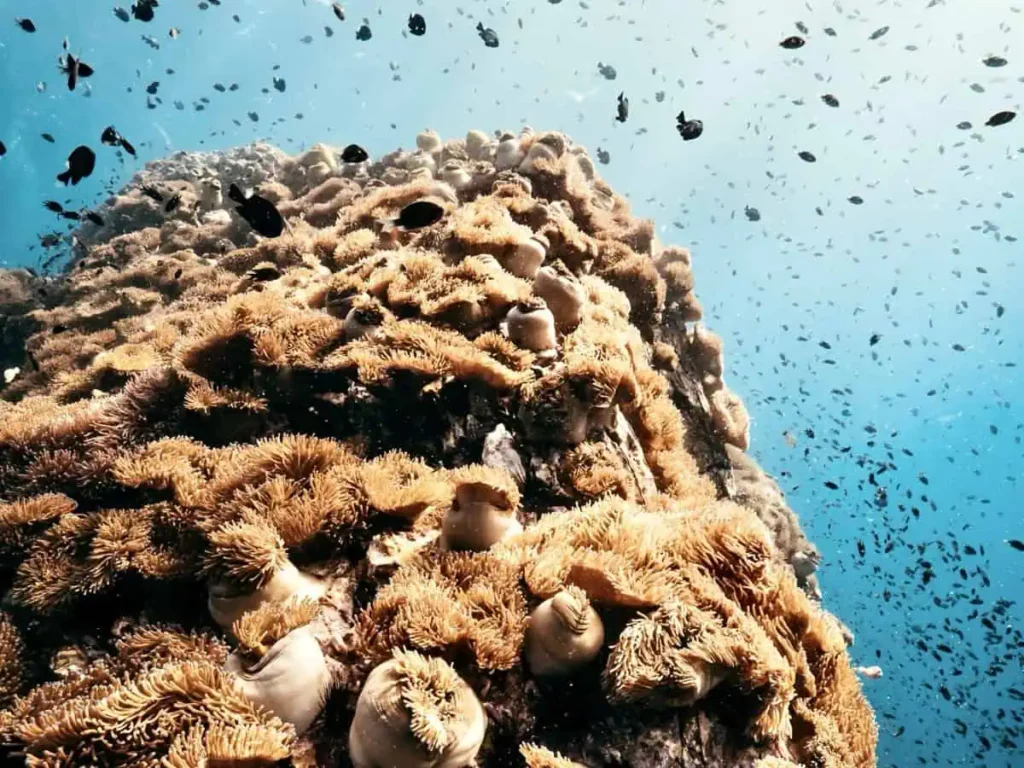
Most people know Koh Tao as a place to learn how to dive, and after four years of living and working here, that’s exactly how I’d describe it too.
The diving here isn’t about big adrenaline rushes or extreme conditions. Compared to places like Bali, Koh Tao is calmer and more forgiving. That’s why it works so well for learning, building confidence, and enjoying slower dives without feeling rushed or overwhelmed.
This list of the best dive sites on Koh Tao is based on dives I’ve personally done over several years. Some of these sites are ideal for beginners, others are more enjoyable once you’re confident and relaxed underwater, and a few really stand out if you enjoy macro life and taking your time.
Rather than trying to include every possible dive site, I’ve focused on the ones I still choose to dive for fun, even after hundreds of dives around Koh Tao. These are sites I kept coming back to during training days and on relaxed fun dives. Below, I’ll explain what each site is best for, who it suits, and what you can realistically expect when you dive there.
If you’re planning your first dives here, I’ve put together a more detailed guide to diving on Koh Tao, based on my time living and working on the island.
Chumphon Pinnacle
Depth: 14 to 35 meters (45 to 115 feet)
Best for: big schools of fish, pelagics, occasional whale shark sightings
Good to know: can be crowded in the shallows, conditions make a big difference
Chumphon Pinnacle is one of the most well-known dive sites around Koh Tao, and it’s often where people hope to see bigger marine life.
I’ve dived Chumphon both during training days and on fun dives, and it’s very condition dependent. On calm days with decent visibility, it can be an excellent dive with large schools of fish and the chance of pelagics passing through. It’s also one of the sites where whale sharks are most often spotted around Koh Tao, although, like everywhere here, sightings are never guaranteed.
The top of Chumphon Pinnacle usually sits around 14–18 m (45–60 ft), with the bottom dropping to 30–35 m (100–115 ft). The shallower part is where most groups stay, which is why it can feel crowded. Going a little deeper often makes the dive more relaxed and is where more experienced divers tend to get the most out of the dive.
Chumphon is accessible to a wide range of divers, but confident and more experienced divers generally enjoy it more. With the right conditions and a bit of depth, it feels far more relaxed and rewarding than a quick look at the top of the pinnacle.

Southwest Pinnacle
Depth: 7 to 28 meters (23 to 92 feet)
Best for: variety, schools of fish, macro, relaxed pinnacle diving
Good to know: occasional current, enjoyable even in lower visibility
Southwest Pinnacle is one of my favourite dive sites around Koh Tao, especially for fun dives.
I’ve dived Southwest both during training and on relaxed fun dives, and it’s one of the most balanced sites on the island. It can have some current at times, but it’s usually very manageable, and even on days with lower visibility it’s still an enjoyable dive.
What I really like about Southwest is the mix. You get a proper pinnacle structure, large schools of fish, and the chance of pelagics, including the occasional whale shark. At the same time, it’s also very good for macro. In my experience, there’s often more small life here than at Chumphon, which makes it a great option when visibility isn’t perfect.
The top of the pinnacle usually starts around 7–14 m (20–45 ft), with the bottom sitting around 25–27 m (80–90 ft). Because it isn’t particularly deep, you usually have plenty of time to slow down and really enjoy the dive, which is one of the reasons I keep coming back here.
Sail Rock
Depth: 5 to 30 meters (16 to 98 feet)
Best for: bigger schools of fish, pelagic action, a more exciting day trip
Good to know: conditions can cancel dives, best suited for confident or advanced divers
Sail Rock is one of the most well-known dive sites in the Gulf of Thailand and is usually done as a day trip from Koh Tao.
I’ve dived Sail Rock around 20 to 30 times, and compared to Koh Tao’s local dive sites, it feels more exciting and more dynamic. The site is larger and more open, with bigger schools of fish and more going on in the water column. It isn’t wildly different from Koh Tao’s pinnacles, but it is absolutely worth the trip if you want something a bit more dramatic.
Conditions at Sail Rock can be unpredictable. Currents can be strong, and on some days they make the site undivable. It’s not unusual to go all the way out, jump in, and then climb straight back onto the boat before moving to another dive site. That’s just part of diving Sail Rock, and something to be aware of before you go.
Crowds are usually less of an issue underwater than at Koh Tao’s local sites, mainly because Sail Rock is larger and deeper. That said, dive boats also come from Koh Samui and Koh Phangan, so it’s rarely completely empty.
In terms of marine life, this is one of the better sites in the area. I’ve seen whale sharks here, as well as octopus and huge schools of jacks, queenfish, and trevallies hunting. On lucky days, you might even spot whales or dolphins from the boat on the way out.
To really enjoy Sail Rock, you need to be a confident diver. Advanced certified divers will get the most out of it, especially given the depth, conditions, and how spread out the site is.
For more about when conditions are calmest and marine life is most active, see my guide on the best time to dive Koh Tao.

Plan Your Perfect Koh Tao Dive Trip
Grab my free, printable checklist to help you organize your gear, choose the right dive shop, and plan your trip hassle-free.
White Rock
Depth: 8 to 23 meters (26 to 75 feet)
Best for: training dives, relaxed fun dives, macro, variety
Good to know: popular site, can be busy at times
White Rock is one of the most popular dive sites on Koh Tao and is often used for training dives.
I dived White Rock mostly while teaching, but it’s also a site I genuinely enjoy for fun diving. There’s a lot going on here, and I’d easily call it one of the most varied dive sites on Koh Tao. Different reef structures, sandy patches, and a huge coral patch in the middle mean the dive can feel quite different depending on where you spend your time.
It’s also a great dive site for macro. If you slow down and really look, you’ll find plenty of small marine life tucked away, which makes White Rock interesting even after many dives, especially once you’re no longer just focused on skills.
Because of its layout and conditions, White Rock works well for a wide range of divers. Beginners can take it slow and build confidence, while more experienced divers can explore different areas and focus on finding smaller details.
Lighthouse Bay
Depth: 4 to 14 meters (13 to 46 feet)
Best for: training dives, relaxed shallow dives, colourful reefs
Good to know: east coast site, best in summer months
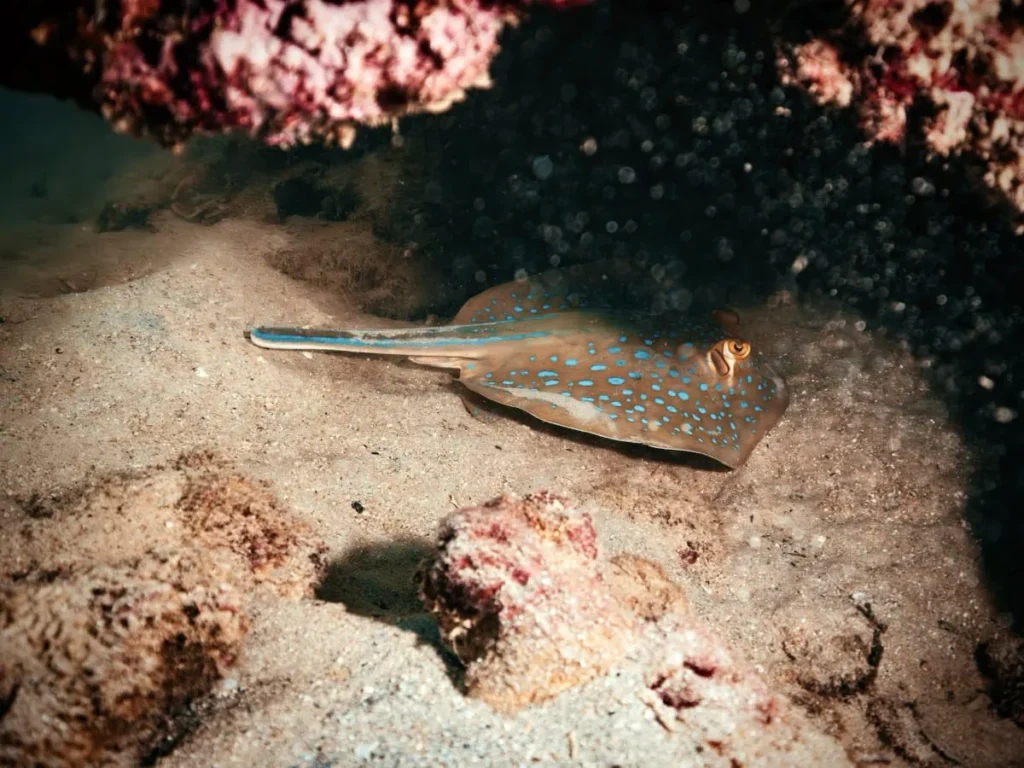
Lighthouse Bay is a calm, sheltered dive site on Koh Tao and is often used for training dives.
I dived Lighthouse Bay mostly while teaching, especially during June, July, and August, when the east coast of Koh Tao is at its best. On calm days, this site is genuinely beautiful, with excellent visibility and a lot of colour.
While it isn’t really a macro site, Lighthouse Bay has a huge variety of coral, especially soft corals, and plenty of reef fish. It’s a great place to slow down and actually enjoy the reef. I always liked swimming along the wall and all the way out to the boulder, which is my favourite part of the dive. There’s a lot going on here if you take your time, and it’s one of the more colourful sites around the island.
Because it’s shallow, protected, and easy to navigate, Lighthouse Bay works very well for beginners. At the same time, it’s an enjoyable dive for anyone who appreciates relaxed, slow diving, including photographers.

HTMS Suphairin 313
Depth: 14 to 28 meters (46 to 92 feet)
Best for: relaxed wreck diving, beginner wreck penetration with training, macro life
Good to know: penetration should only be done with proper training and procedures
HTMS Suphairin 313 is one of my favourite dive sites around Koh Tao, and a wreck I always enjoy diving for fun.
The outside of the wreck is beginner friendly and works well as a relaxed wreck dive. It’s an easy site to navigate, and even without entering the wreck, there’s plenty to see. I often find nudibranchs around the structure, which makes it a nice mix of wreck and reef-style diving.
Suphairin 313 was prepared as a training wreck for wreck diving courses, and that really shows once you go inside. In terms of wreck penetration, it’s one of the easiest and safest wrecks to penetrate around Koh Tao, as long as you know what you’re doing and dive it properly. The layout is open and intuitive, and it doesn’t feel dark or intimidating like some wrecks can.
Inside the wreck, I’ve seen a lot of macro life, including shrimps, crabs, and small fish tucked into the structure. It’s a great dive if you enjoy slowing down and really looking, rather than just swimming around the outside.
I especially like diving Suphairin 313 as a combo dive with Green Rock. Together, they make for a fun and varied dive day, and Suphairin is one of those sites I kept coming back to even after hundreds of dives around Koh Tao.

Hin Wong Pinnacle
Depth: 8 to 25 meters (26 to 82 feet)
Best for: relaxed dives, macro and reef fish, quieter conditions
Good to know: east coast site, generally less crowded
Hin Wong Pinnacle is a quieter dive site on the east side of Koh Tao and often feels very different from the island’s more popular west-side sites.
What I like about Hin Wong Pinnacle is the mix. You get a nice combination of macro life and reef fish, which makes the dive interesting whether you’re moving slowly or covering a bit more ground. It’s the kind of site where you can enjoy both the bigger picture and the small details on the same dive.
Because it’s on the east side of the island, Hin Wong Pinnacle is usually not very busy. That alone can make a big difference to how relaxed the dive feels, especially if you’ve already experienced some of Koh Tao’s more crowded sites.
It’s a good option for divers who want a calmer dive with fewer people in the water, without giving up variety or marine life.

Koh Tao Dive Site Map
Wondering where these dive sites are around Koh Tao? The map below shows the locations of the dive sites I’ve mentioned in this guide. It’s useful for visualizing where you’ll be diving and how different sites are reached by boat.
How to choose the right dive sites on Koh Tao
Once you’ve looked through the dive sites above, it helps to be realistic about what Koh Tao is best at, and what it isn’t.
Best dive sites on Koh Tao for beginners
Koh Tao is an excellent place to learn how to dive and to build confidence after certification. Many sites are calm, shallow, and forgiving, which makes them ideal for training dives and early fun dives. Reef sites like White Rock and Lighthouse Bay are especially good if you want relaxed conditions and time to focus on buoyancy and comfort.
Best dive sites for confident and advanced divers
More experienced divers can still enjoy Koh Tao, especially if you’re happy with easy, relaxed diving rather than adrenaline-heavy conditions. Deeper pinnacles and sites with occasional current are more interesting once you’re comfortable underwater, but this isn’t a destination for constant high-energy dives.
Whale sharks on Koh Tao, what to expect
Whale sharks do appear around Koh Tao, but they are not reliable. Many people arrive expecting guaranteed encounters, and that usually leads to disappointment. If you see one here, it’s pure luck. Think of whale sharks as a bonus, not a reason to plan your trip.
Macro diving on Koh Tao
Koh Tao is very underrated for macro life. Because many divers here are beginners, small critters often get overlooked. If you slow down and really look, you’ll find nudibranchs, shrimps, crabs, and other small marine life on both reef dives and wrecks.
Crowds and busy dive sites
Koh Tao can be busy, especially during peak season and training hours. Some dive sites do get crowded underwater. Choosing the right time to visit, and sometimes going a little deeper can make a big difference to how enjoyable a dive feels.
FAQ: Best Dive Sites on Koh Tao
Get More Info for Your Koh Tao Holiday
If you’re planning a longer stay or want to dive deeper into island life, these guides will help you plan the details around diving, travel, and where to base yourself on Koh Tao.
- Diving on Koh Tao – dive conditions, certification options, and what to expect once you’re on the island
- Best time to dive Koh Tao – seasons, visibility, and how conditions change throughout the year
- Dive sites around Koh Tao – what you’ll see at each site and how they differ
- Where to stay on Koh Tao – the best areas to base yourself and my personal accommodation picks
- How to get to Koh Tao – practical travel routes and the most reliable ferry operators
- Restaurants on Koh Tao – local favorites, everyday spots, and special places I kept coming back to
- Snorkeling on Koh Tao – the most beautiful spots you can access straight from the beach
- Things to do on Koh Tao – beaches, viewpoints, and quieter spots beyond diving
- Koh Tao packing list – what to bring for diving and island travel
Your Local Guide to Koh Tao

Hi, I’m Doris, a scuba travel blogger who came to Koh Tao for three nights… and stayed for over four years. During that time I worked as a dive instructor and at the island’s hyperbaric chamber.
Now I help travelers plan better dive trips to Thailand and beyond, with honest advice and practical tips based on my experience here.
Book Your Stay in Koh Tao
Don’t miss out! Koh Tao’s best hotels book up fast, especially near the beach.
I always use Booking.com for my own trips because it’s easy to compare prices, read real reviews, and lock in the best deals.
Free Dive Trip Planner for Koh Tao
Planning your trip to Koh Tao? Grab my free printable checklist to:
➔ Travel at the right time
➔ Book with a reputable dive shop
➔ Plan every detail like a pro
