

Most divers come to Semporna with one thing in mind: Sipadan.
But with only a limited number of Sipadan permits issued each day, many divers only get one or two days there. Some don’t get a permit at all.
And even on Sipadan permit days, you are only allowed to do two dives at Sipadan itself. Many operators run three-dive trips, with the third dive happening somewhere else around Mabul, Kapalai, or another nearby reef.
And that’s where the rest of Semporna’s reefs come in.
While Sipadan might be the star of diving in Malaysian Borneo, the reefs around Semporna offer plenty of incredible dives even without a permit.
I spent five weeks based between Mabul and Semporna town and did around 23 days of diving between Sipadan and the surrounding islands. Many of those dives were genuinely spectacular.
In fact, one of my favourite dives of the entire trip wasn’t at Sipadan at all. It was at Garden of Eden at Mataking, a slope covered in so much soft coral and packed with life that it honestly beat some of my Sipadan days.
If you only get one Sipadan permit day, or none at all, don’t worry – Semporna is still absolutely worth the trip.
If you’re not familiar with how the Sipadan system works, I cover the permits, daily dive schedule, and what a typical trip looks like in my full breakdown of diving Sipadan.
Mabul — The Macro Paradise
If Sipadan is famous for big pelagic moments, Mabul is famous for the tiny things.
Most dives here are slow and deliberate. Instead of drifting along a wall, you spend time hovering over sandy patches, coral rubble, and artificial reef structures, looking for creatures that are easy to miss if you’re moving too fast.
On many dives, the guides would stop and point at something that at first looked like nothing at all. Once you start looking closely, the reef around Mabul feels packed with life.
A frogfish perfectly camouflaged against the reef.
A ghost pipefish floating almost invisibly next to a soft coral.
Or a nudibranch the size of your fingernail sitting on a sponge.
Nudibranchs seem to be everywhere. On one dive alone, I spotted several beautiful species, including Pteraeolidia ianthina, Risbecia apolegma, Nembrotha milleri, and Chromodoris annae.
It’s a very different experience from Sipadan. Instead of scanning the blue for sharks or barracuda, you spend most of the dive focused on the reef right in front of you.
If you like macro as much as I do, Mabul is heaven underwater and can easily fill several days on its own.
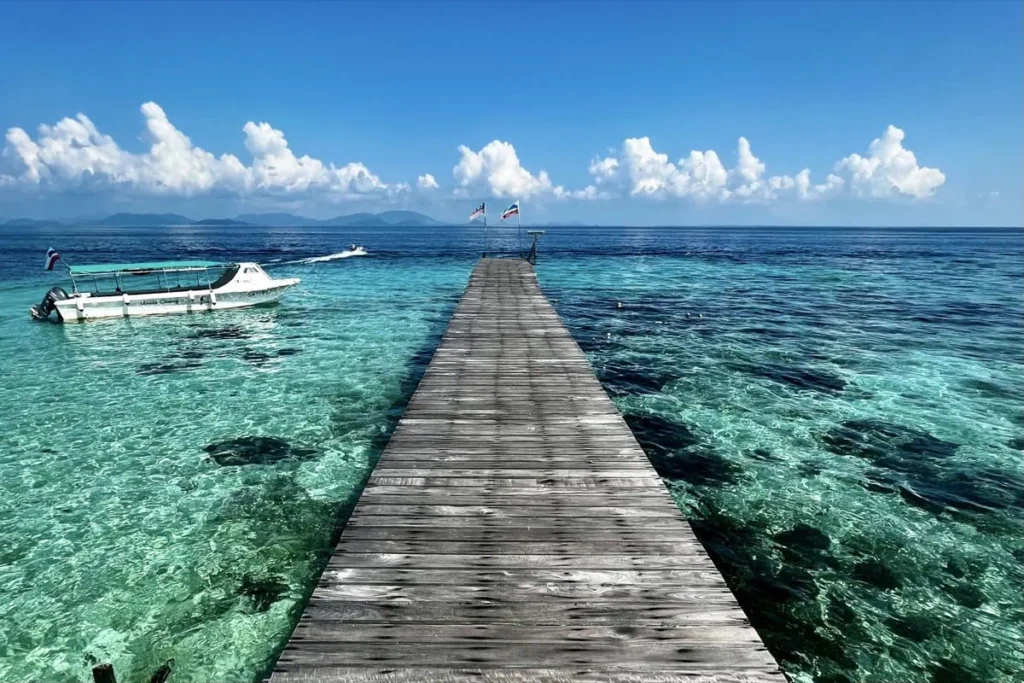
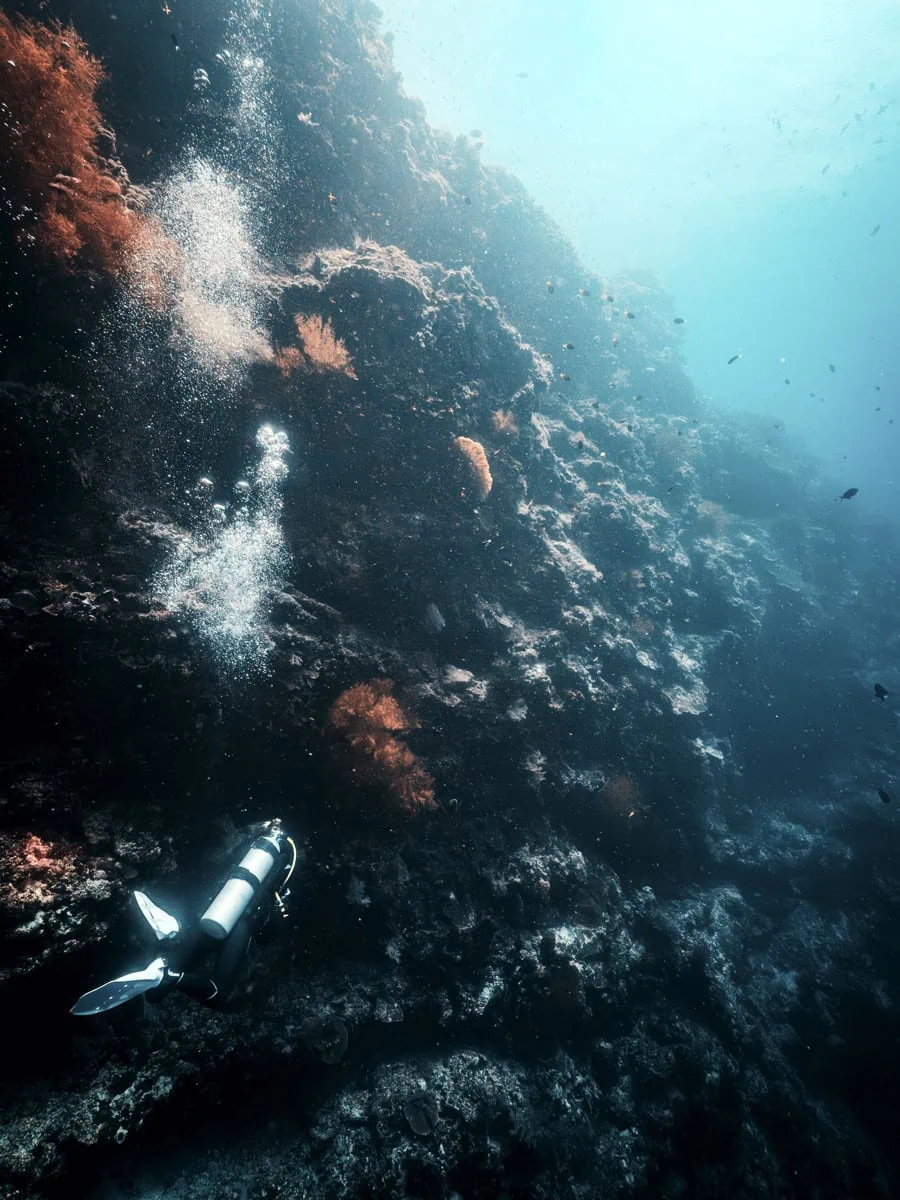
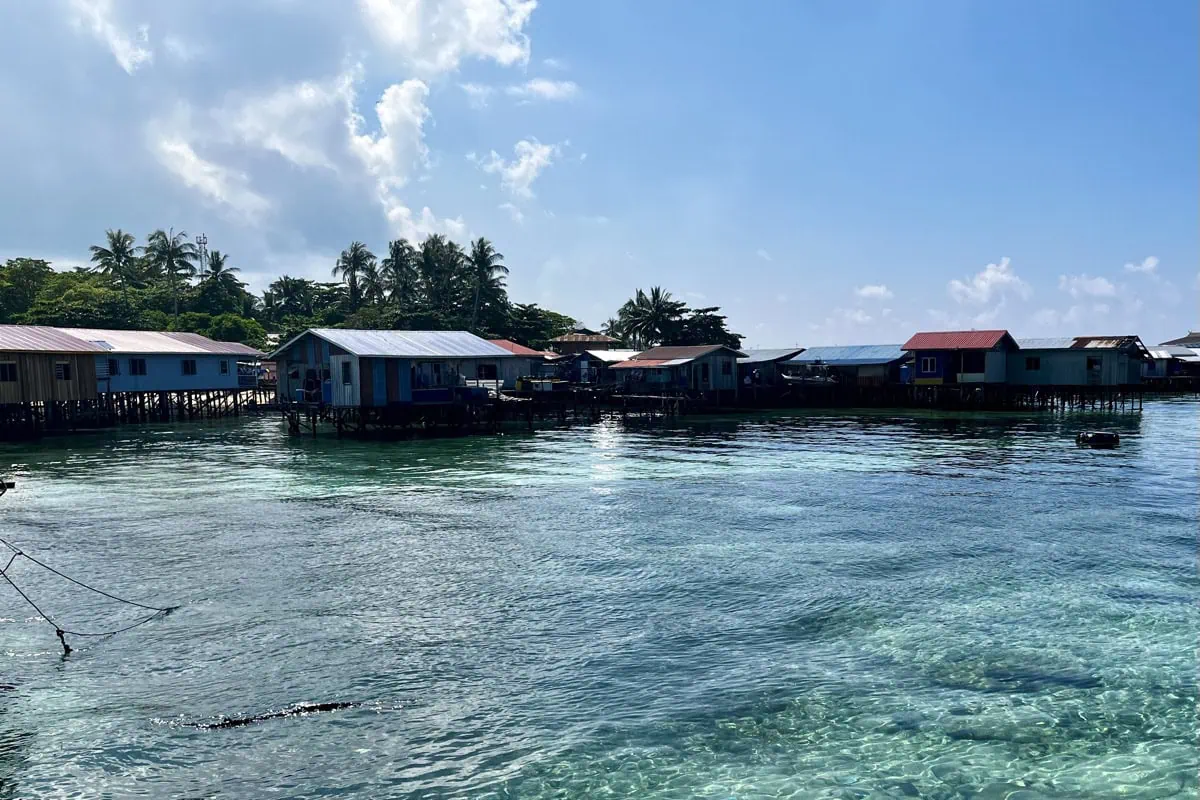
Dive Sites I Enjoyed Around Mabul
Here are the dive sites around Mabul that stood out to me during my time diving here.
Froggies Lair
As the name suggests, this site is famous for frogfish. Sandy bottom, coral rubble, and exactly the kind of place where guides start pointing at things that at first look like nothing at all. And then suddenly you see it. After a few dives here, I became pretty good at spotting frogfish myself.
Lobster Wall
A sloping reef with small overhangs and crevices where lobsters hide during the day. It’s less about hunting for tiny critters and more about enjoying the reef itself while still keeping an eye out for macro life tucked into the wall.
Paradise 1
A classic Mabul-style dive site with a mix of sand, coral patches, and rubble. The kind of place where guides slow the dive down and start searching for small, well-camouflaged creatures hiding in the reef.

Kapalai — Easy Macro Diving
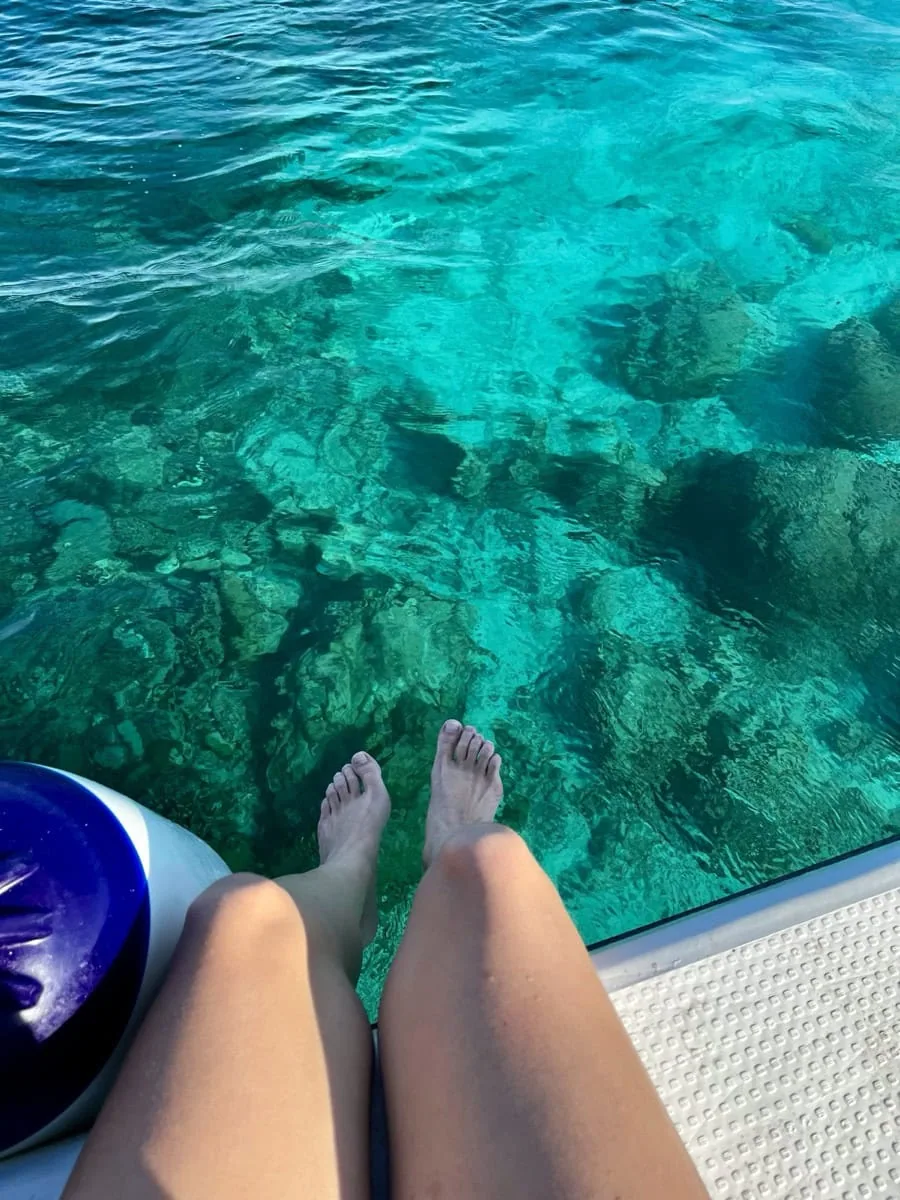
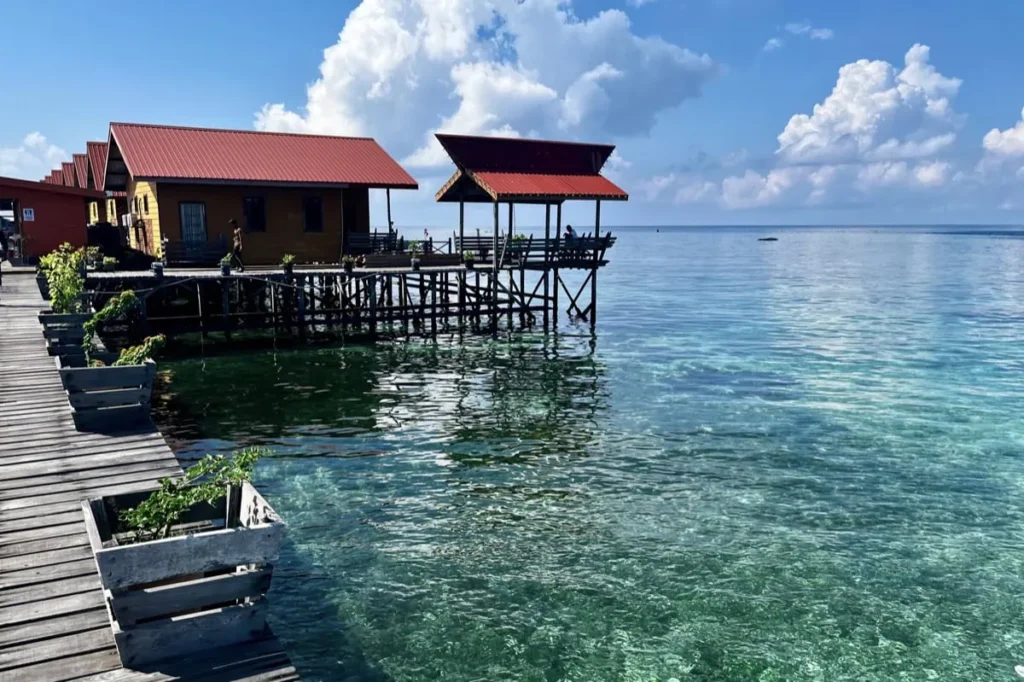
Kapalai isn’t really an island at all. It’s a large sandbank in the Celebes Sea with a dive resort built entirely on stilts above the water.
It sits between Mabul and Sipadan, so most dive sites are only a short boat ride away. When you first arrive it almost looks like the resort is floating in the middle of the ocean.
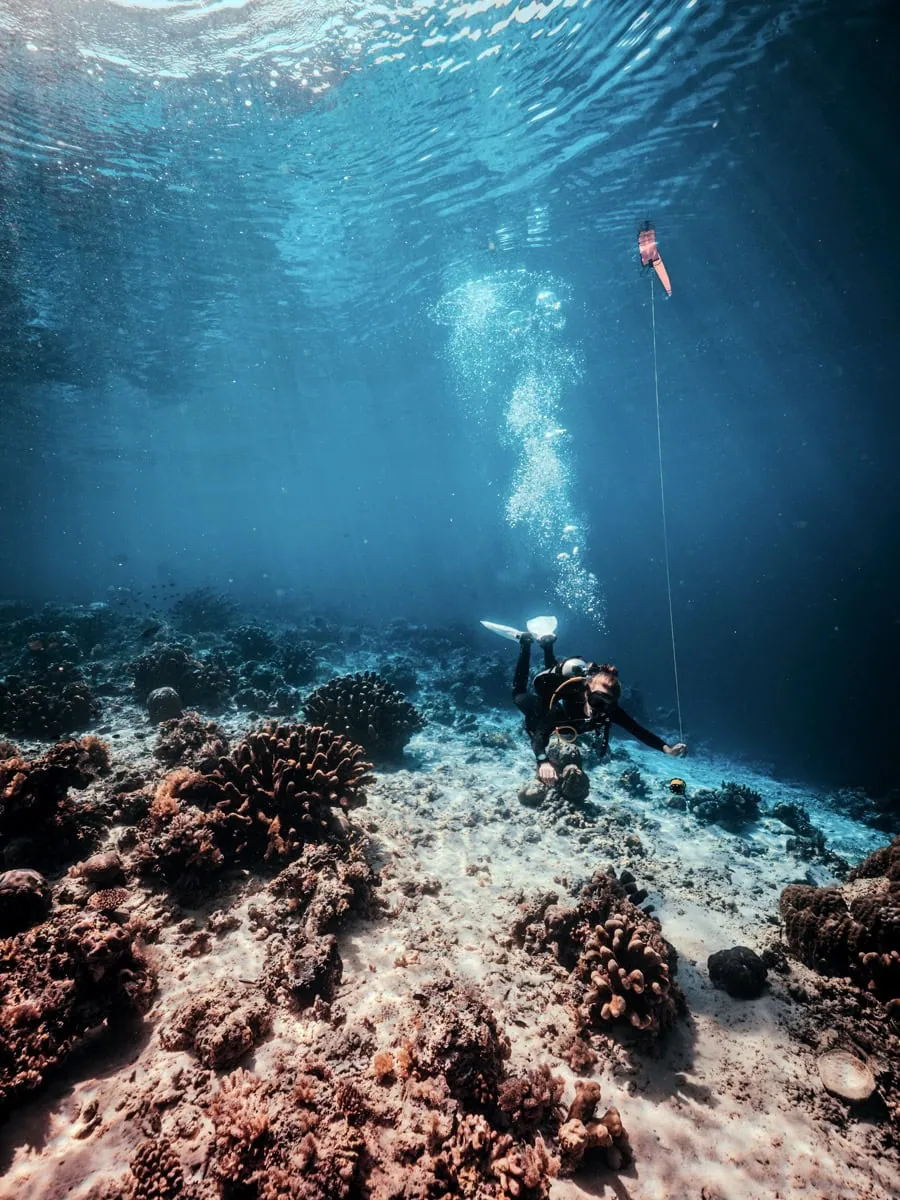
Underwater, the diving here feels quite similar to Mabul. Most sites are made up of sandy patches with scattered coral bommies, which create perfect habitat for small creatures hiding in the reef.
This isn’t a place where you spend the dive staring out into the blue, hoping for sharks to appear. Instead, it’s the kind of diving where you slow down and start noticing things you would normally swim straight past.
Nudibranchs seem to be everywhere, and the sandy areas are perfect for well-camouflaged critters that only reveal themselves once you really start looking.
The conditions also tend to be very calm, which makes the dives feel relaxed and unhurried. If you enjoy macro diving and taking your time exploring the reef, Kapalai can easily fill a few dive days.
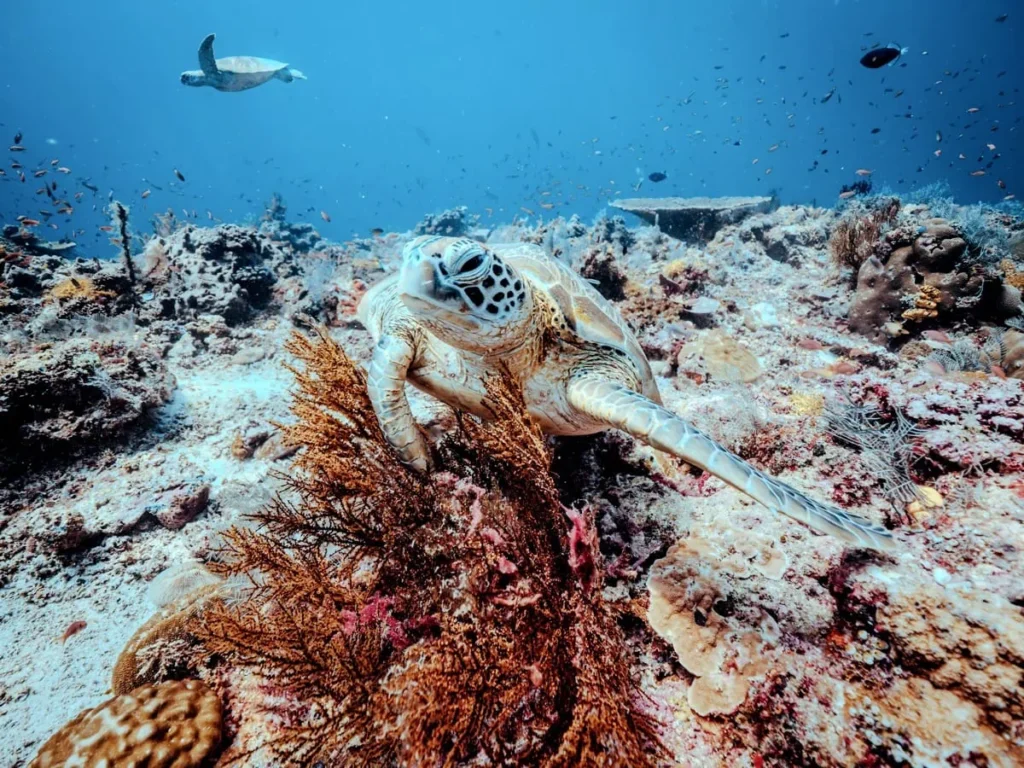
Dive Sites I Enjoyed Around Kapalai
Most of my Kapalai dives were the third dive of the day, after two dives at Sipadan, which made the calm macro dives here a really nice way to finish the day.
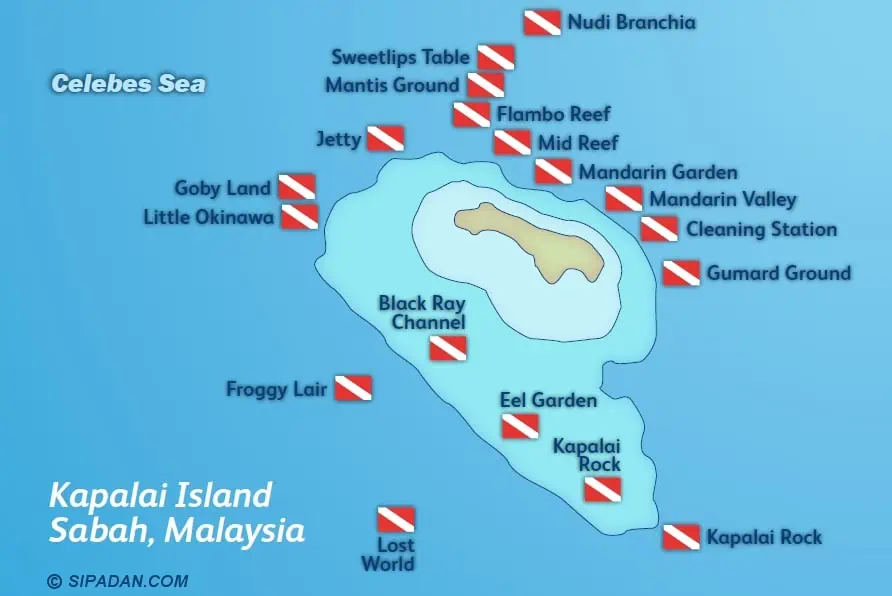
Gurnard Ground
This site is mostly sandy bottom, which might not sound very exciting at first. But it’s exactly the kind of place where guides slow the dive down and start searching for well-camouflaged critters hiding in the sand.
Little Okinawa
A really nice mix of sand and coral bommies, which makes it good for both macro life and reef fish. It’s the kind of relaxed dive where you can just move slowly along the reef and see what appears.
Mataking — Coral Reefs That Steal the Show
Mataking surprised me.
After so many macro dives around Mabul and Kapalai, I honestly wasn’t expecting much more than another nice reef. But the diving here ended up being among my favourites in the entire Semporna area.
And for someone who normally gets excited about nudibranchs and frogfish, it says a lot that one of my favorite dives here was a reef.
The dive that really stayed with me was Garden of Eden.
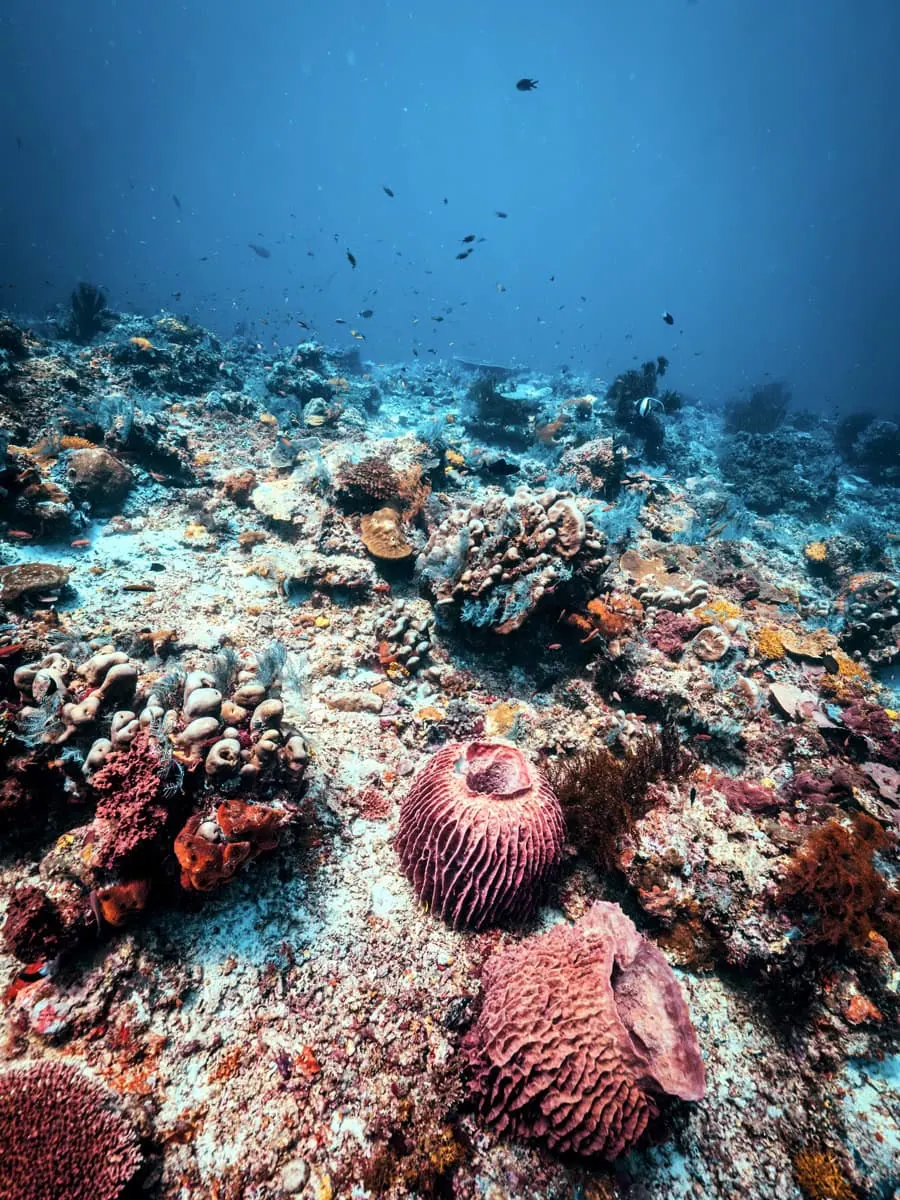
When we dropped in, the reef looked like a huge field of underwater flowers. Soft corals in every shape and color, swaying gently in the current. Everywhere you looked, there was movement and color, reef fish weaving through the coral and the slope just continuing down into the blue.
It wasn’t a dramatic wall like Sipadan, and there weren’t giant schools of barracuda like you sometimes see at Barracuda Point. But the reef itself was so vibrant that I didn’t miss any of that.
And it wasn’t just coral. On several dives around Mataking, I also saw turtles cruising along the reef and a few sharks passing through, which made the dives feel even more alive.
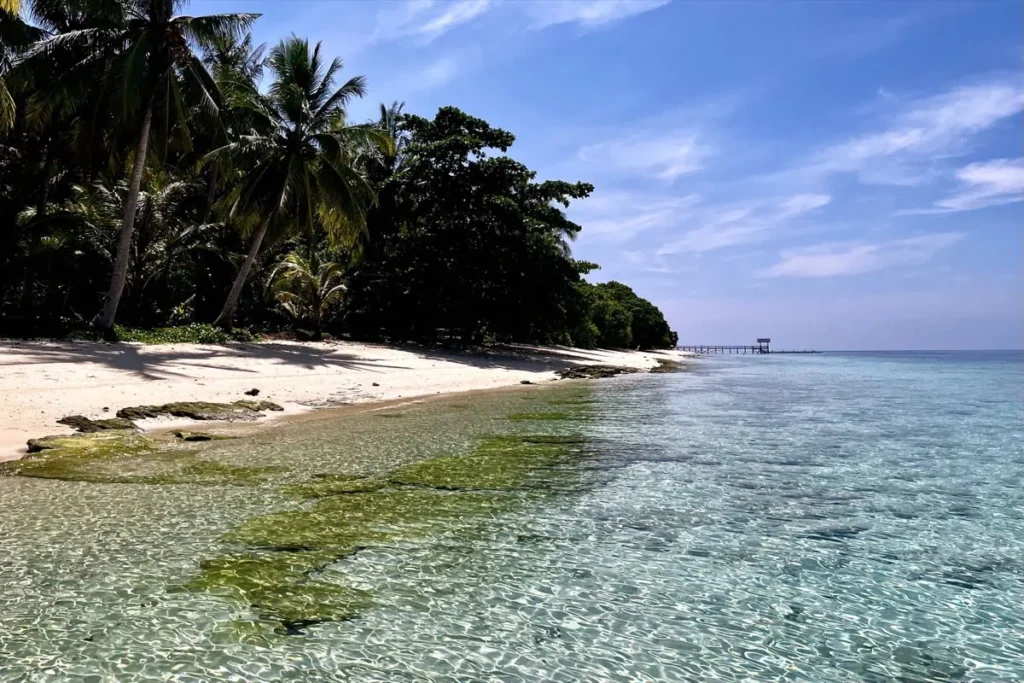
Mataking sits across the Alice Channel from Sipadan, which means larger pelagics occasionally pass through this area too. It’s not as reliable as Sipadan of course, but the possibility is always there.
The diving around the island also varies quite a bit. The north side has vertical walls and stronger currents, while the south side offers calmer reefs and macro sites.
That dive at Garden of Eden honestly stayed with me just as much as some of my Sipadan dives.
Dive Sites I Enjoyed Around Mataking
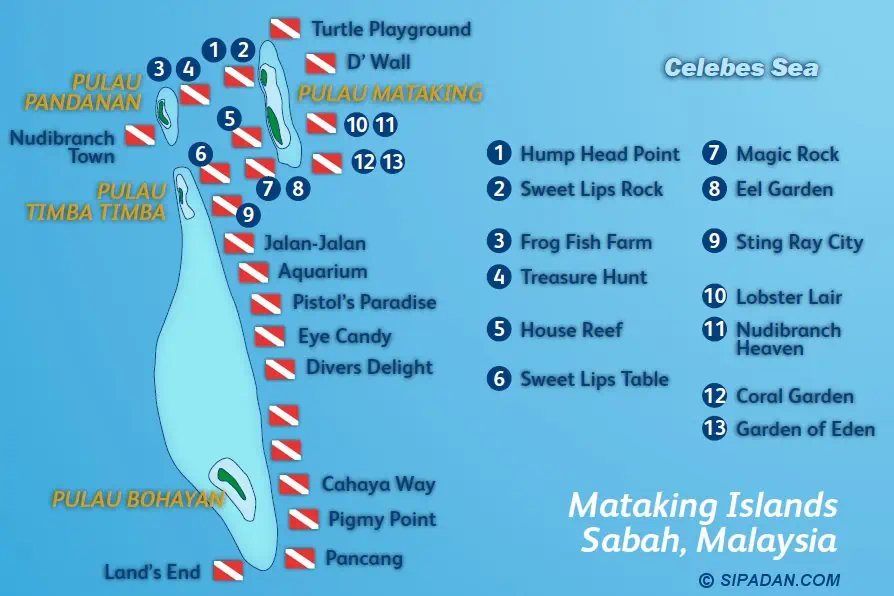
Garden of Eden
This was one of my favorite dives of the entire trip.
For almost the whole dive it felt like swimming over a huge field of underwater flowers. Soft corals in every shape and color, stretching across the reef as far as you could see. We spent 50 minutes drifting slowly over these fields, and they just didn’t stop.
Turtles were sleeping right in the middle of them, reef fish everywhere, and every now and then a shark cruised past in the distance. It honestly felt like heaven underwater.
The Shipwreck
As a shipwreck nerd, I obviously like the purposefully sunk fishing boat near the resort. It has turned into a small artificial reef, with coral and marine life gradually taking over the structure.
When we dived it there was plenty of life around the wreck itself, moray eels hiding in the structure, lionfish hovering nearby and schools of jackfish moving around the wreck. There’s also a slightly quirky detail: the site has an underwater post box, where divers can actually send waterproof postcards from the sea floor.
Jalan Jalan
Jalan Jalan technically belongs to Timba Timba island, but many operators combine it with trips to Mataking, which is how I ended up diving it.
The reef here is beautiful and full of life, making it a great site to simply drift along and enjoy the coral and fish life around you. The name actually comes from Malay, Jalan Jalan roughly translates to run run, referring to the current that often moves along the reef here.
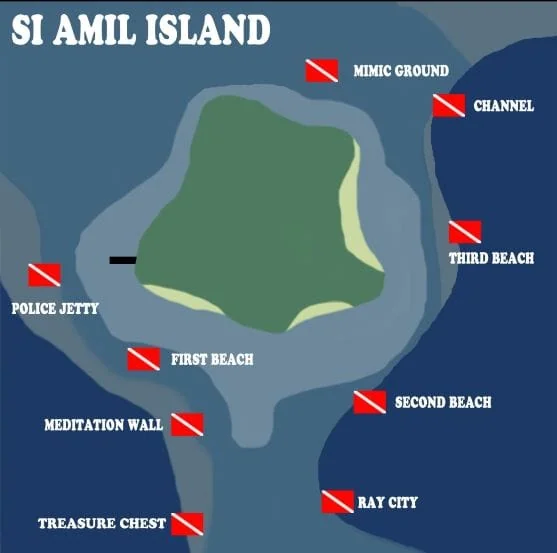
Si Amil — A Hidden Gem Near Semporna
Si Amil is one of the dive trips that not every operator runs.
Most boats that go there leave from Semporna town, and depending on the dive center and conditions, it’s often something you have to specifically ask about rather than a site that’s part of the regular rotation.
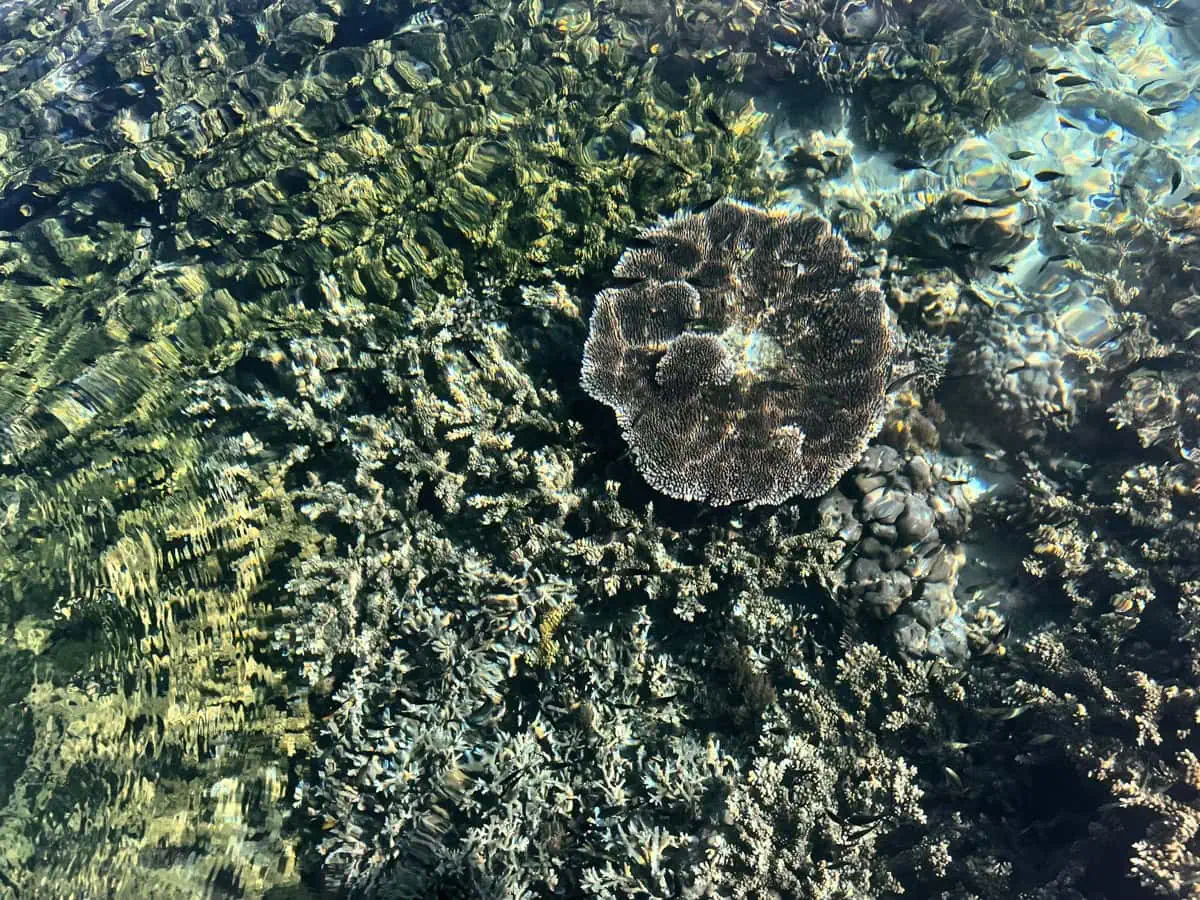
The reefs around the island are beautiful and very healthy, and the area is also known for good macro diving if you enjoy looking closely at the reef.
But what really makes Si Amil special is what sometimes appears out in the blue.
Divers here occasionally encounter large schools of devil rays moving through open water, sometimes in surprisingly big numbers. Seeing dozens of rays gliding past the reef at the same time is one of those underwater moments that’s hard to forget.
There’s also the chance of spotting eagle rays cruising past the reef, which adds to that feeling that something big could appear at any moment.
But Si Amil is not Sipadan, of course. If it were, everyone would be diving here instead. Still, between the healthy reefs and the chance of rays passing through the blue, Si Amil has built a reputation as one of the more interesting dive trips from Semporna.
If you’re interested in diving at Si Amil, check out Scuba Junkie Sipadan, they are one of the operators that run regular trips.
Dive Sites I’d Love to Explore Around Si Amil
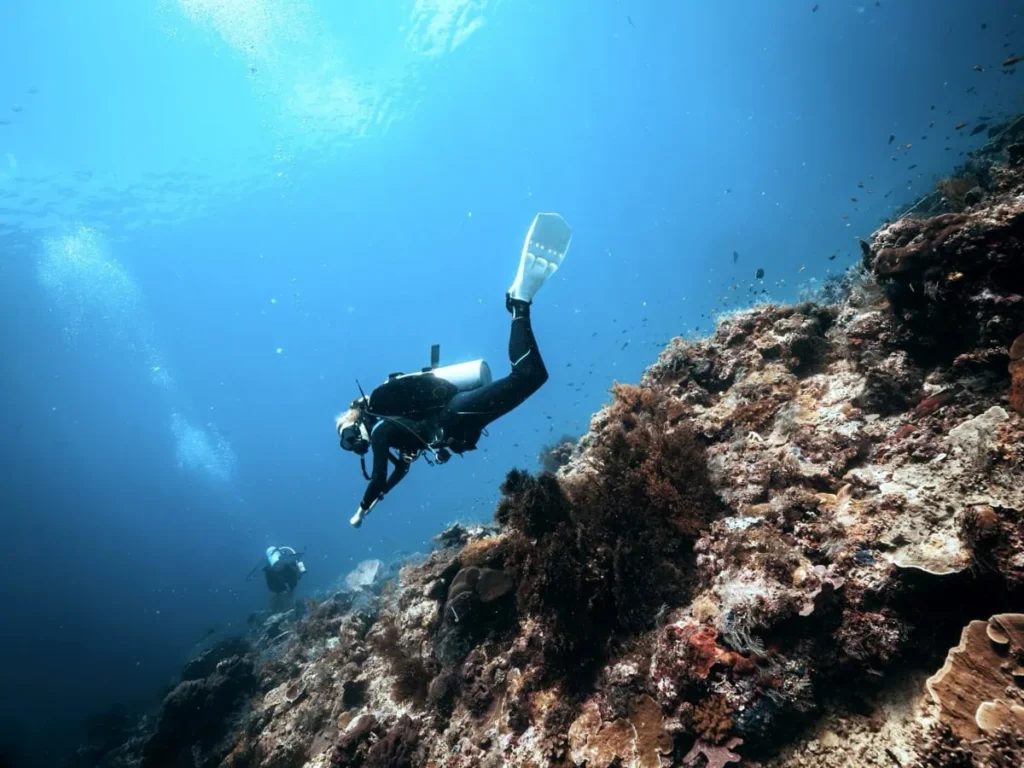
I didn’t get the chance to dive Si Amil yet, but these are the sites I’d be most excited to explore next time.
Second Beach
This dive site sounds like an amazing introduction to Si Amil. The reef starts as a gentle coral slope before dropping to around 20 meters and then opening into sandy patches and large coral bommies.
A bit further out in the blue there’s a cleaning station where divers sometimes encounter families of eagle rays or even schools of devil rays coming in to be cleaned. Seeing dozens of rays gliding through open water must be incredible.
Treasure Chest
Another site I’d love to dive is Treasure Chest, which sounds like a beautiful drift dive along a shallow coral reef covered in large barrel sponges and staghorn coral.
It’s known for a lot of reef life, including green turtles, batfish and frogfish, making it the kind of dive where you can just drift slowly along the reef and enjoy whatever appears.
Where Should You Dive Around Semporna?
If you’re planning a few dive days around Semporna, it helps to know that each area offers a slightly different kind of diving.
| Area | Best For | Dive Style | Compared to Sipadan |
|---|---|---|---|
| Mabul | Nudibranchs, frogfish, macro life | Slow dives over sand and coral rubble | Much smaller marine life, but incredible for macro lovers |
| Kapalai | Relaxed critter dives | Calm reefs with sandy patches | Less dramatic than Sipadan, but very enjoyable easy dives |
| Mataking | Beautiful coral reefs | Coral slopes, reef dives | No barracuda tornadoes, but some of the most colorful reefs in the area |
| Si Amil | Rays and blue-water encounters | Reef dives with open water potential | Less predictable than Sipadan, but unique encounters possible |
If you enjoy macro life as much as I do, you’ll probably love diving around Mabul and Kapalai. If tiny critters aren’t really your thing, head to Mataking for stunning coral reefs instead. And if you can, Si Amil is definitely one I’d want to add to the itinerary.
If conditions matter to you, this guide to the best time to dive Sipadan covers everything you need.

Diving Prices Around Semporna
Diving around Semporna is a lot more affordable than diving Sipadan itself.
Most dive trips to places like Mabul, Kapalai, and Mataking cost around 360 RM (70 € / 75 $) for a three-dive day when I was there. That usually includes the boat, dive guide, tanks, weights, and lunch.
If you need to rent equipment, that’s typically extra. Most dive shops charge around 65 RM per day (12 € / 14 $) for full gear rental.
Prices were fairly similar across most dive operators in Semporna and on Mabul during my stay.
Diving & Accommodation Packages
It’s also very common to book dive packages that include accommodation and diving together. Many dive resorts offer multi-day packages that bundle your room, meals, and several dive days into one price, which can often work out cheaper than booking everything separately.
As a rough guide, here are the costs for a 3-day / 2-night package without Sipadan dives.
| Package Type | Approx. Price |
|---|---|
| Budget (hostels or basic dive lodges in Semporna) | 1000 RM (190 € / 205 $) |
| Mid-range (island resorts like Mabul) | 3000 RM (570 € / 615 $) |
| Luxury (luxury island resorts) | 6500 RM (1235 € / 1335 $) |
Prices can vary quite a bit depending on the resort and season, but this gives you a rough idea of what to expect.
If you want to include Sipadan in your trip, check out my complete Sipadan diving guide to know what to expect and this Sipadan diving cost breakdown to understand the extra expenses involved.
How Many Days Should You Dive Around Semporna?
If you’re visiting Semporna mainly for Sipadan, it’s worth planning extra dive days for the surrounding islands as well.
Most divers only get one or two Sipadan permit days anyway, which means the rest of your diving will usually happen around places like Mabul, Kapalai, or Mataking.
Personally, I spent five weeks diving in the area, and I never felt like I ran out of interesting sites. The combination of macro dives, coral reefs, and occasional pelagic encounters keeps things varied.
If you have the time, a good plan is usually:
- 1–2 days diving Sipadan
- 2–3 days exploring the surrounding reefs
Like this, you experience both the famous walls of Sipadan and the completely different style of diving around Semporna.
If you’re curious what the famous Sipadan actually looks like, I break it down in detail in my guide to the best dive sites in Sipadan.
Plan Your Sipadan Diving Trip
If you’re planning a trip to Sipadan, these guides will help you understand the diving, the logistics, and how to make the most of your limited permit days.
- Sipadan dive guide – a complete overview of diving Sipadan, including what to expect, how it works, and how to plan your trip
- How to get to Sipadan – flights, transfers, and how to plan your route so you don’t lose a day traveling
- How to get a Sipadan permit – how permits work, your chances of getting one, and what to know before booking
- Best time to dive in Sipadan – when conditions are usually best and what to expect throughout the year
- Dive sites in Sipadan – the main dive sites and which ones are actually worth your limited permits
- Diving around Semporna without a Sipadan permit – the best alternative dive sites around Mabul and the surrounding islands if you can’t dive Sipadan every day
- How much it costs to dive Sipadan – diving and permit prices, what drives the cost, and how to keep it affordable
- Is diving Sipadan worth it? – an honest breakdown of what it’s really like, who it’s for, and when it actually makes sense
- Where to stay for diving Sipadan – Mabul, Kapalai, Semporna or Seaventures, and how to choose what fits your trip
